


.webp)
About the Book
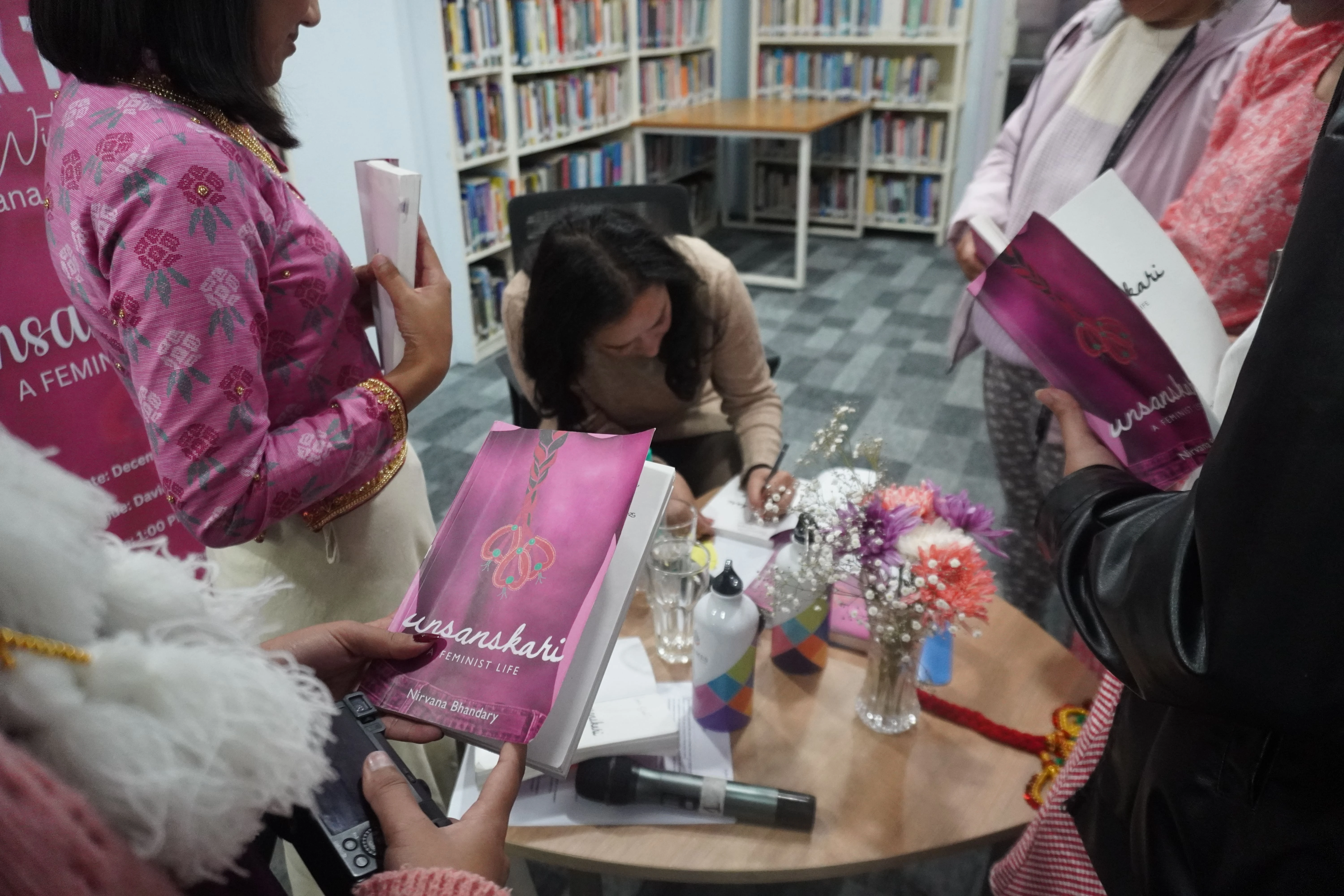
Unsansakari: A Feminist Life is a compelling collection of eight personal feminist essays that explore the lived realities of millennial Nepali women. Through raw honesty and reflective storytelling, author Nirvana Bhandary critically examines the societal norms, expectations, and cultural standards that continue to shape women’s lives in Nepal. The book offers a deeply personal yet politically resonant exploration of feminism, encouraging readers to reflect on their own experiences, identities, and journeys toward selfhood.

About the Book talk
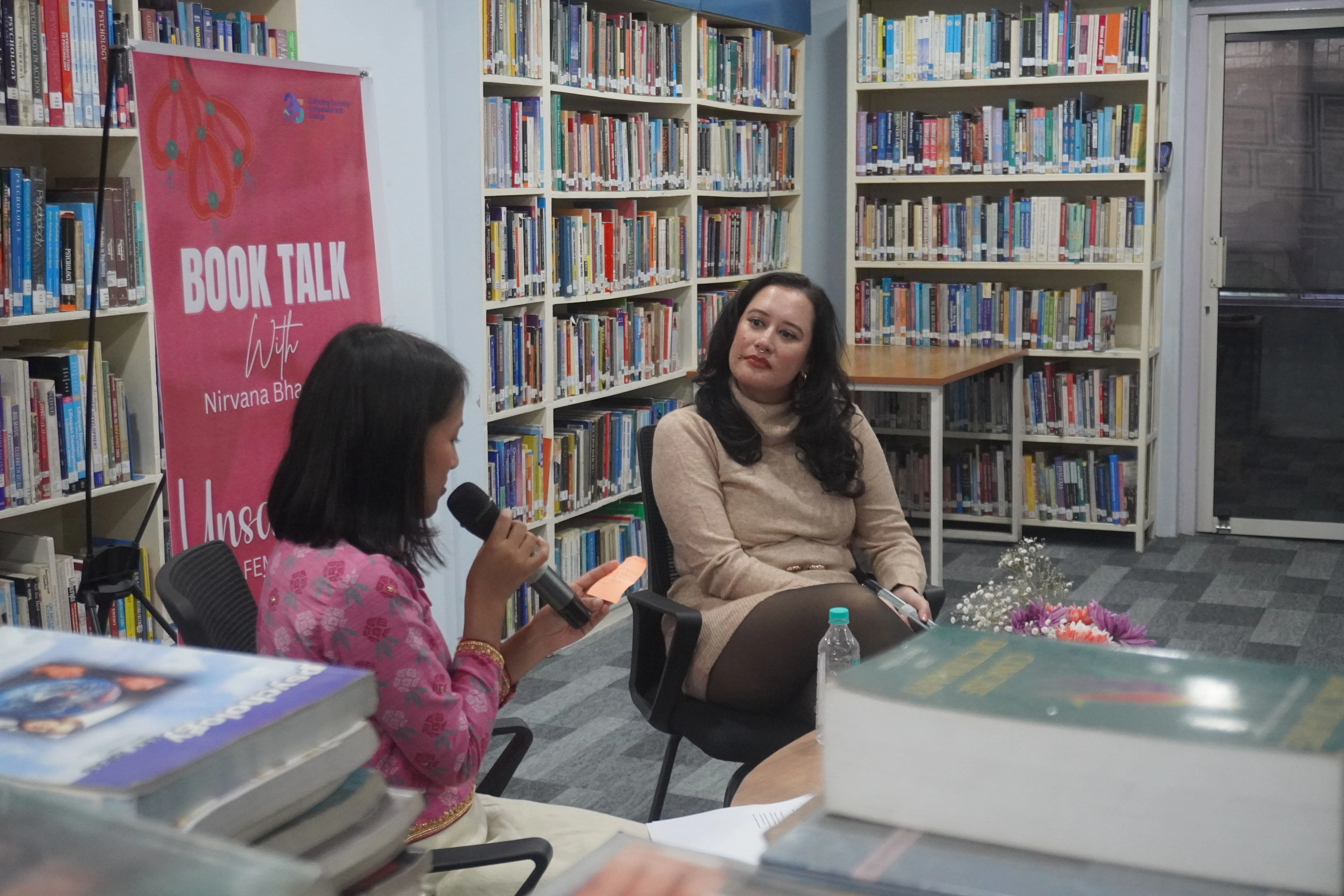
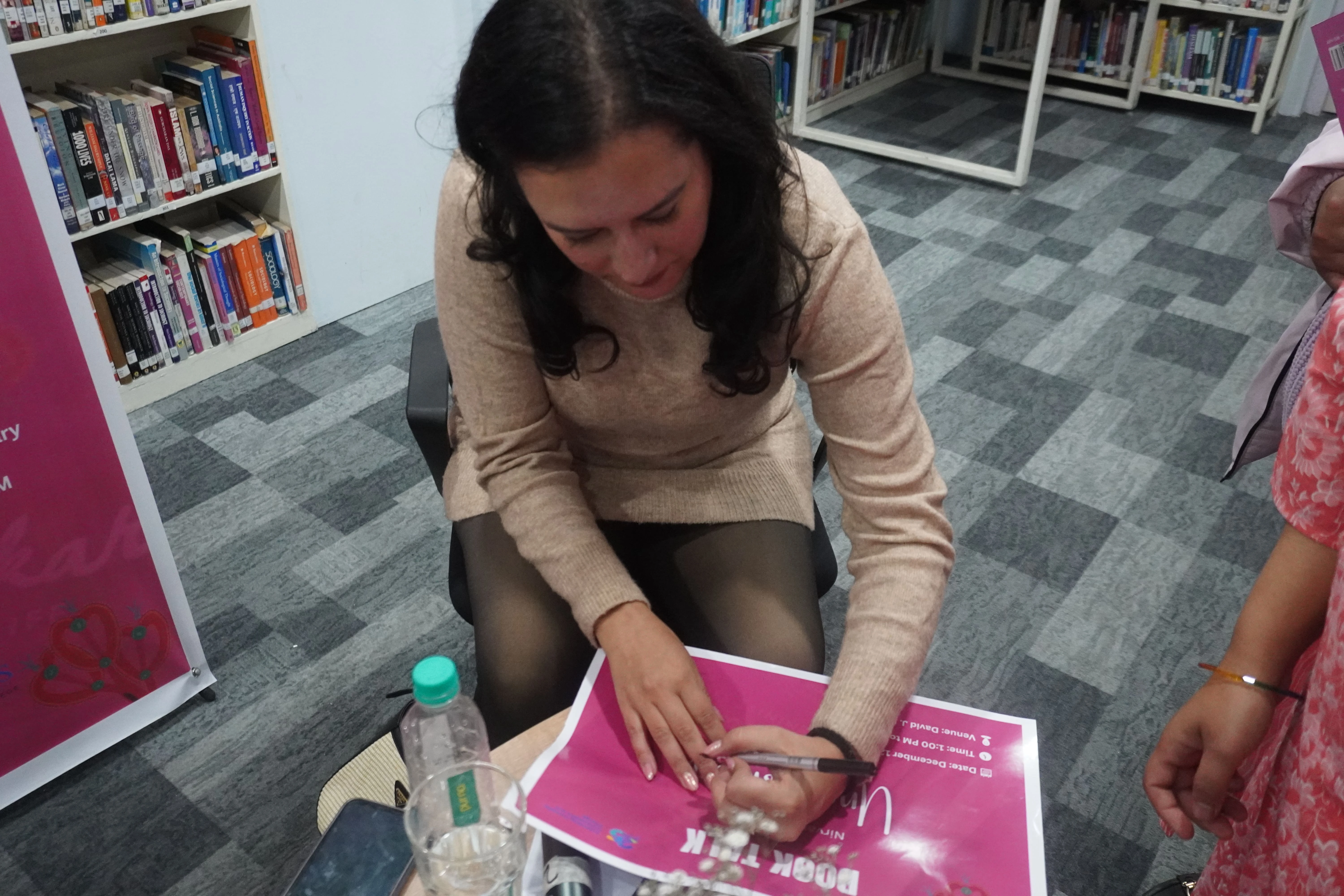
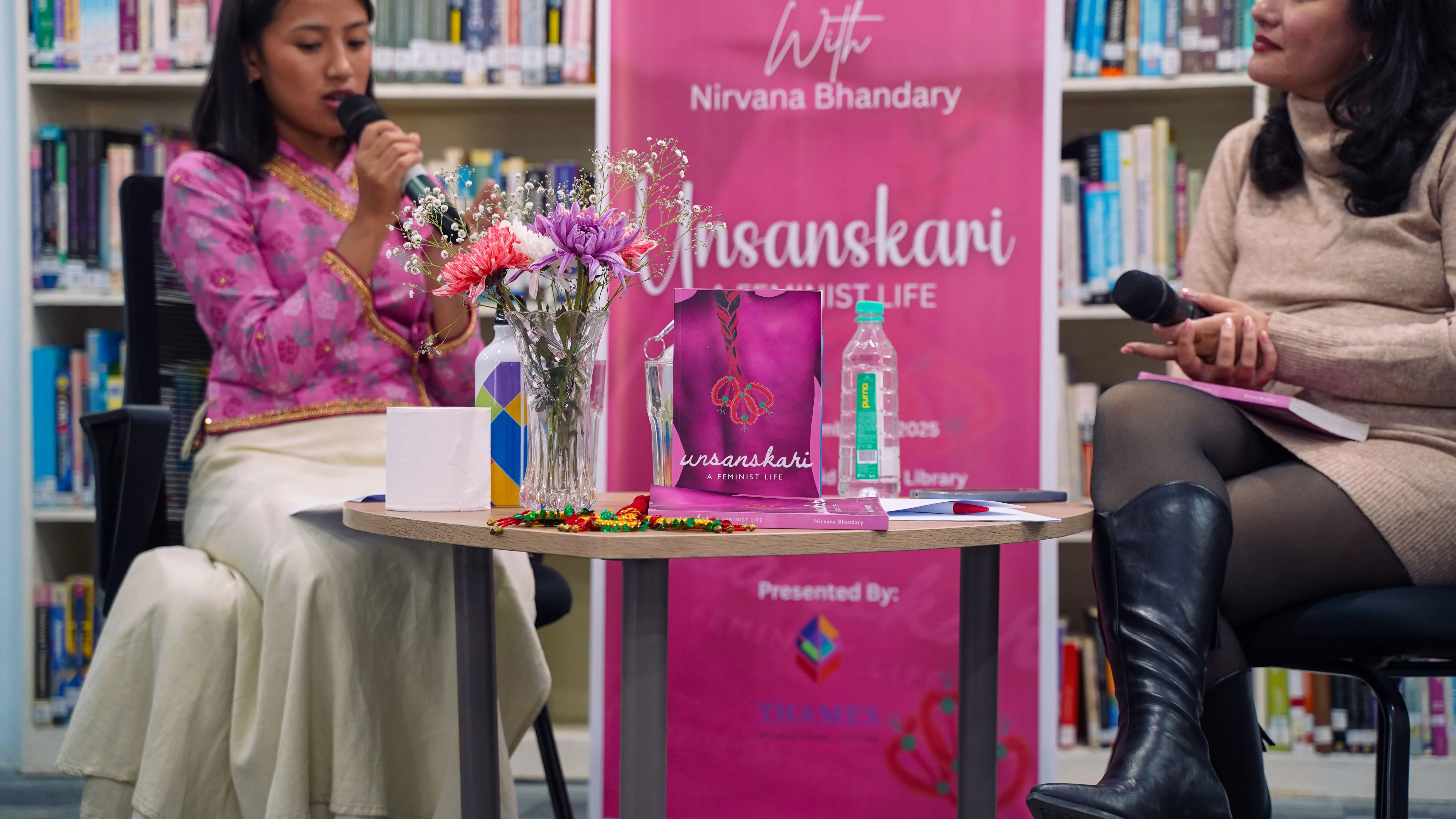
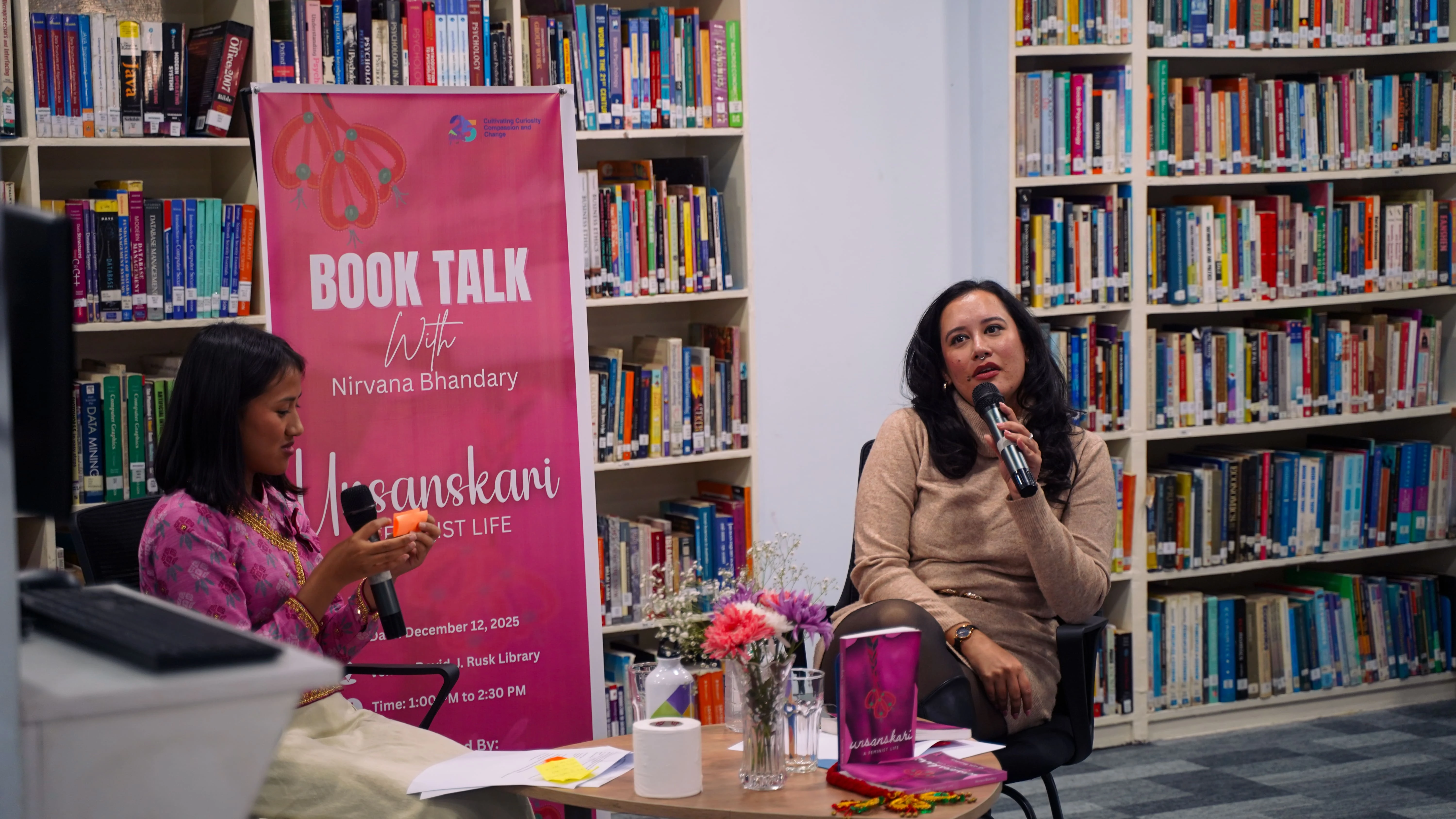
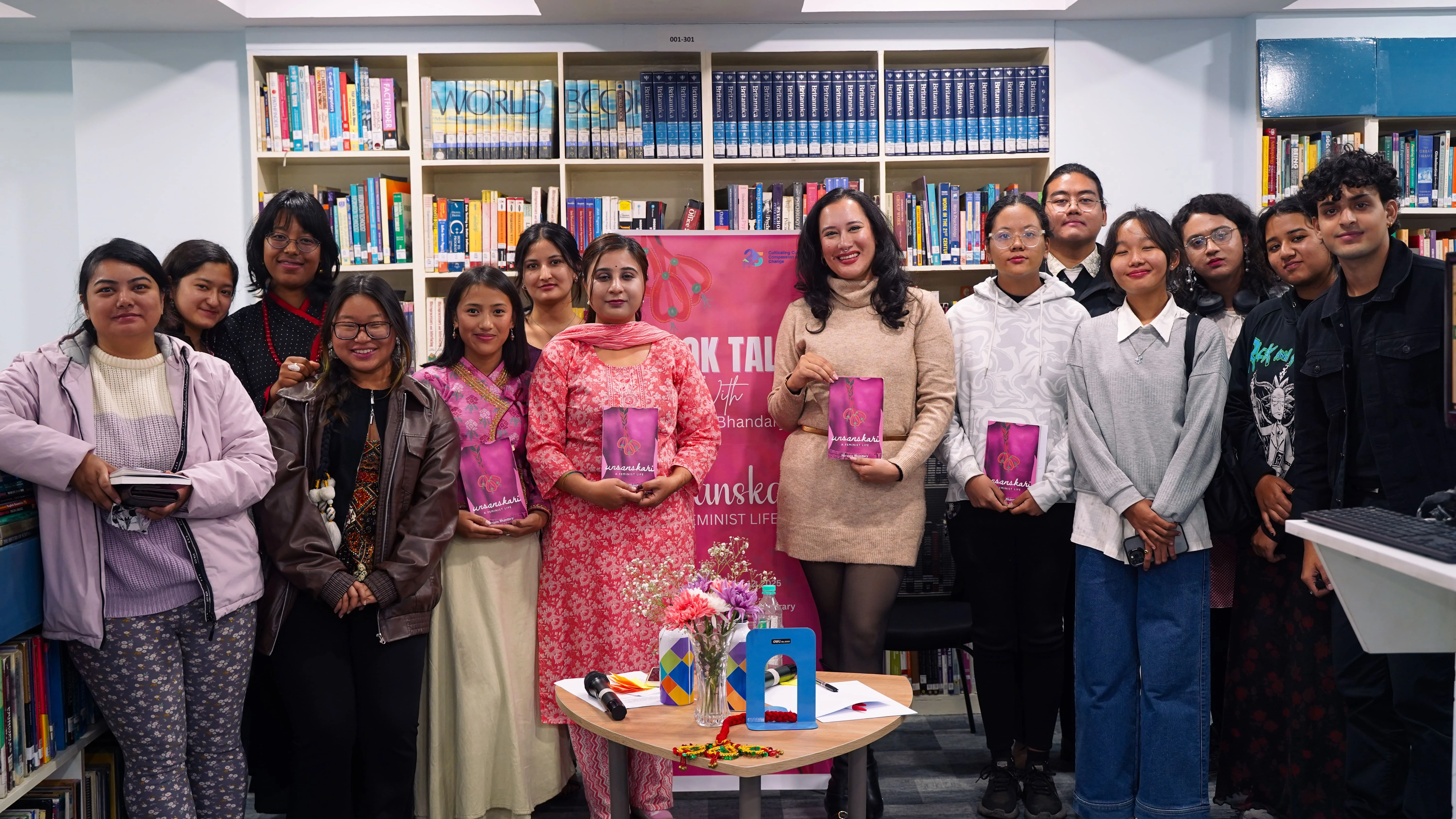
On December 12, the David J. Rusk Library hosted a book talk featuring Nirvana Bhandary, providing students with an opportunity to engage directly with the author. During the session, Bhandary discussed the motivations behind her writing and elaborated on the themes addressed in the book. She also responded to students’ questions, engaging in thoughtful discussions around pressing feminist concerns and the everyday experiences of women.
The book talk particularly focused on contemporary feminist issues and the shared realities of womanhood in the present socio-cultural context. Central to the discussion was the idea of the “unsansakari” woman—millennial Nepali women who do not conform to traditional standards of what it means to be a sansakari (well-mannered or culturally ideal) woman. The conversation highlighted how such standards are socially constructed and how feminism plays a crucial role in questioning and dismantling these restrictive norms.

Another important theme addressed during the discussion was privilege and censorship, emphasizing how the ability to question, resist, or rebel against societal expectations is often shaped by one’s social, economic, and cultural privilege. The dialogue encouraged critical reflection on whose voices are heard, whose resistance is accepted, and how power operates within feminist movements themselves.

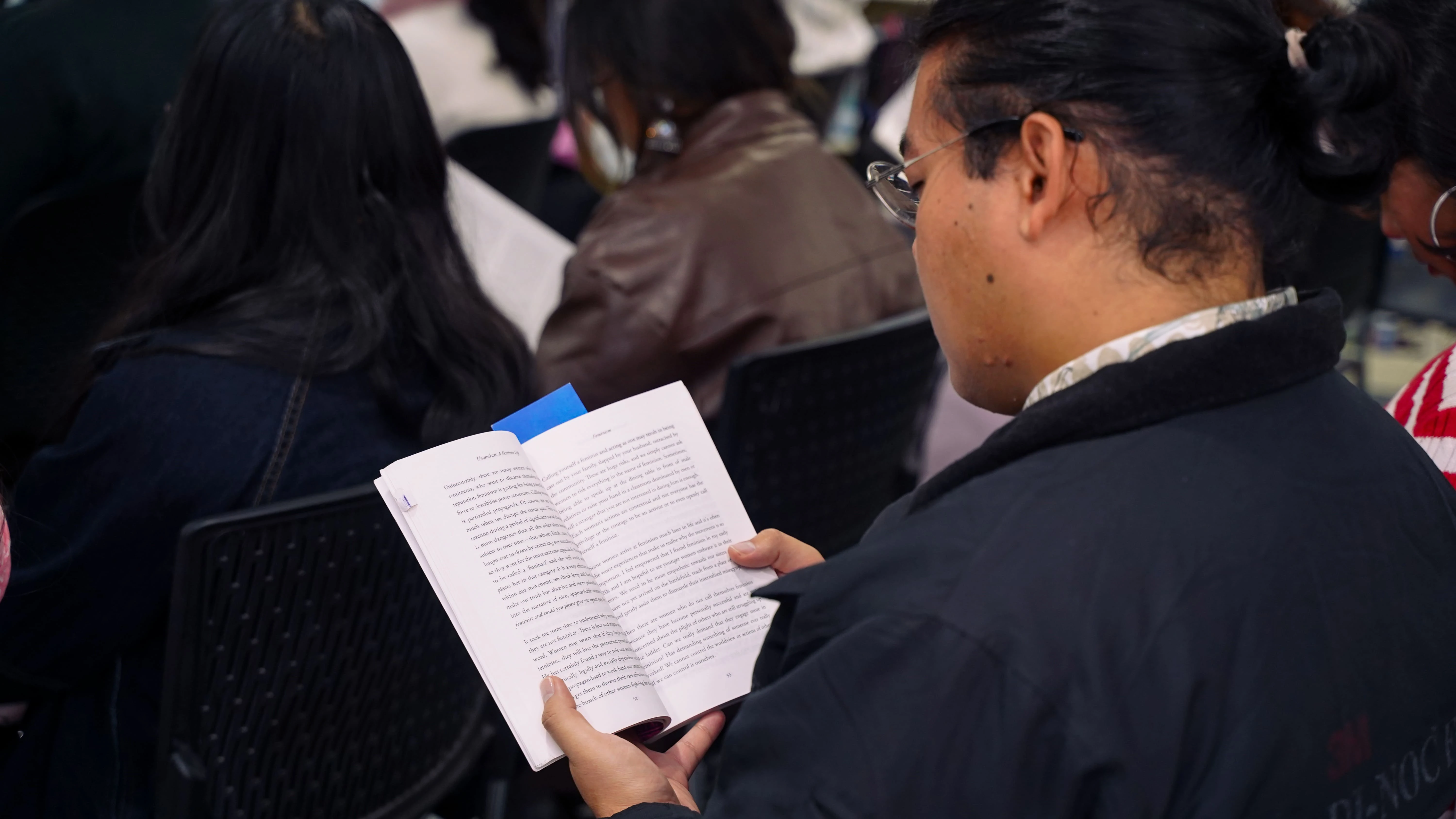
Overall, this book talk fostered meaningful dialogue around feminism, culture, identity, and agency. It created a space for students to critically engage with feminist thought while gaining insight directly from the author’s experiences and perspectives. The book talk served as an important platform for reflection, learning, and open conversation on the evolving realities of feminism in Nepal.