

What is the Curious Citizen?
The Curious Citizen is a series designed by the School of Social Sciences of Thames International College in an effort to create an open, safe, and interactive space for asking questions, learning, and relearning socio-political issues and structures. The Curious Citizen curates sessions for discussions and workshops, helping students and faculty navigate the complex landscapes of politics, legal frameworks, policies, and other issues at both national and international levels.
Why is the “Curious Citizen” important?
The School of Social Sciences organized a series of sessions under the curious citizens:
1.About “Beyond the Ballot Box: Decoding Nepal’s Electoral System”
A lot of students were excited to vote in this election. For young people, this election held a deep meaning. It held rage. It held fear. But it also held hope. “Beyond The Ballot Box: Decoding Nepal’s Electoral System." was a session focused on addressing students' inquiries about the parties, the voting system and how the mechanisms work.
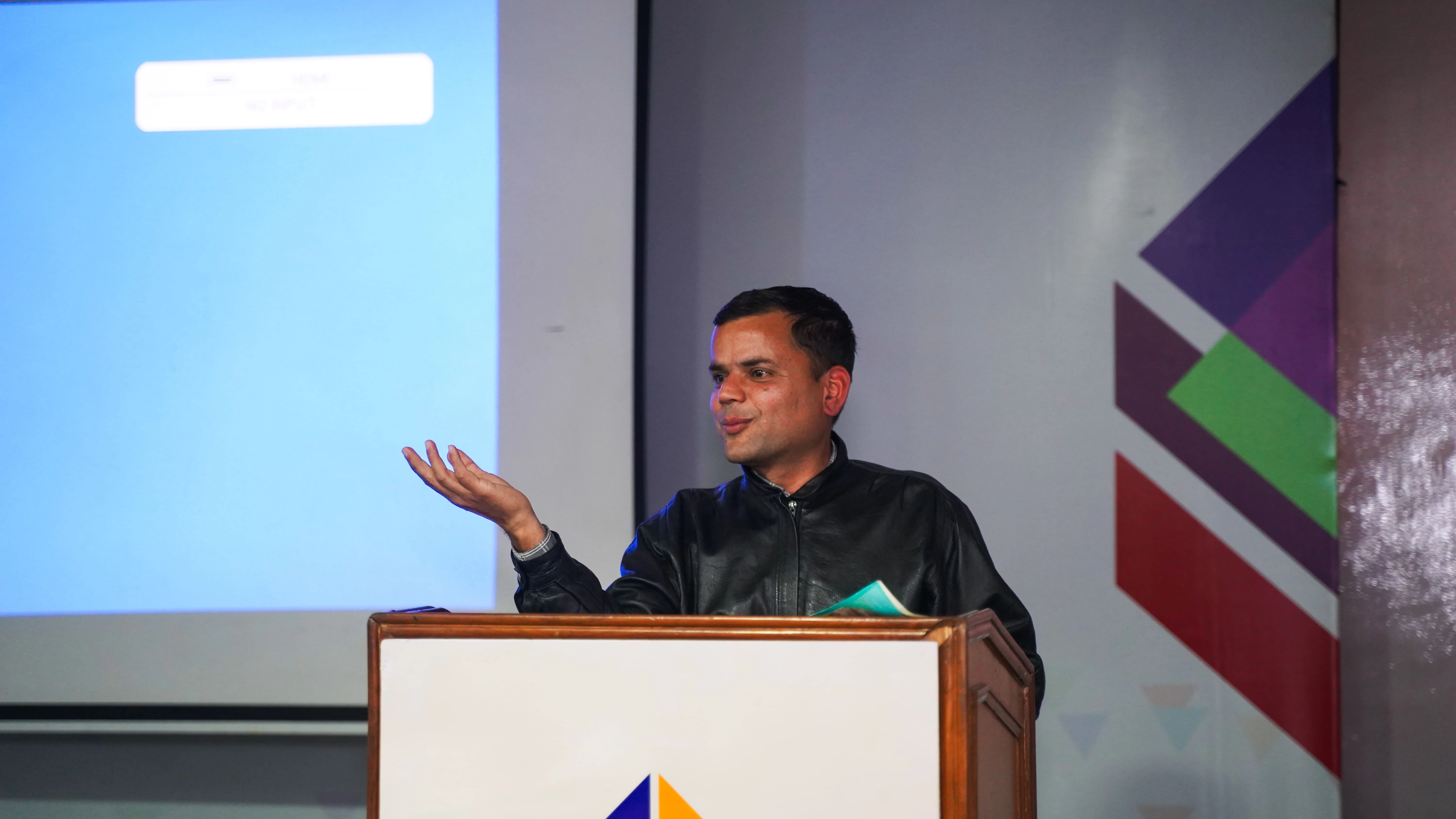
On February 22, 2026, an event titled “Beyond The Ballot Box: Decoding Nepal’s Electoral System” was conducted, where our guest speaker, Mr. Kamal Dev Bhattarai, delivered a speech on the electoral system in light of the upcoming March 5 elections and covered the following topics:
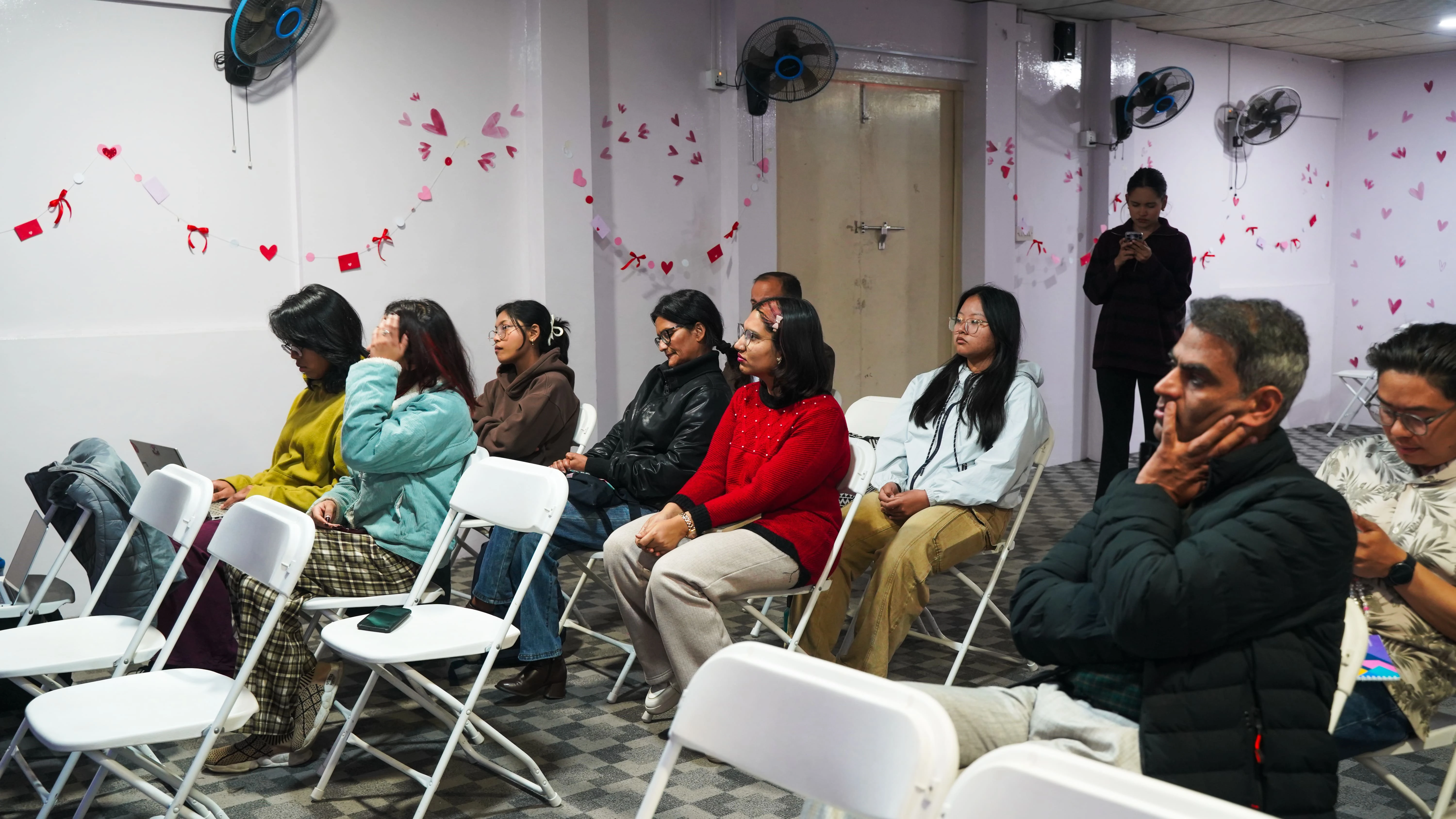
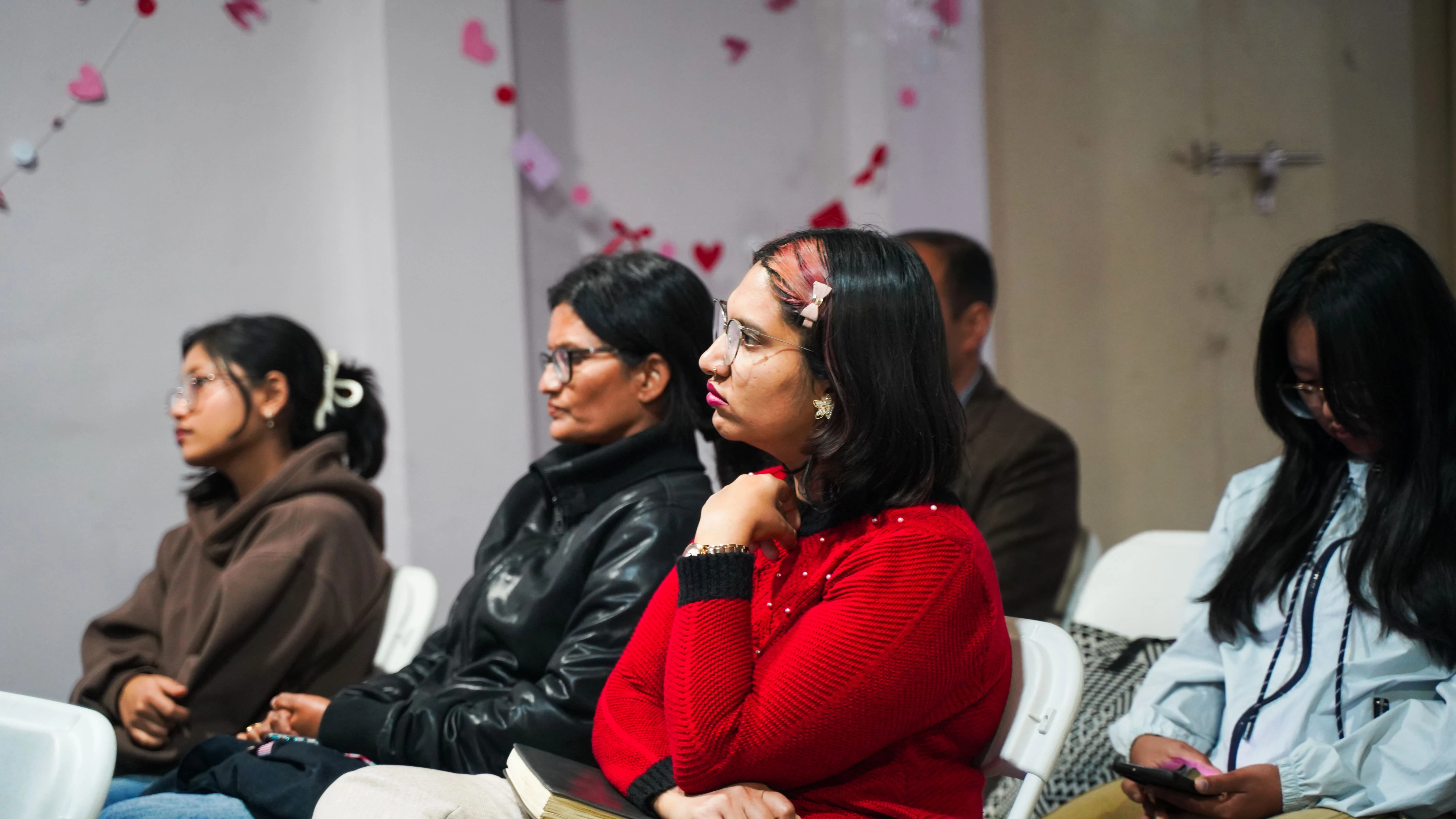
In this session, the participants also actively participated in the reflection session, where they shared their concerns about how people currently emphasize more on the person or the candidate rather than the institution or the political party as a whole. Overall, the session brought light to a lot of important agendas surrounding politics and the electoral system and also gave space to interesting narratives and discussions that are crucial to be acknowledged, especially when we are about to perform our greatest civic duty: Voting!
2.Ballot Basics: A Classroom Awareness Campaign about Voting
With respect and emphasis on the fact that many students were first time voters, the School of Social Sciences (SOSS) conducted a week-long awareness campaign titled the “Ballot Basics." In this campaign, the academic fellows of SOSS reached out to each school of study at Thames International College: the School of Social Sciences, the School of Business, and the School of Information Technology, and through in-person interactions in classrooms, provided in-depth information about the voting procedures.
The topics covered in these sessions were
Furthermore, the campaign also encouraged conversations around why voting is important and how we all should be informed and aware of the agendas of the parties and candidates before we cast our precious votes.
3.Mock Elections
After the conversations with students, mock elections were absolutely essential for first-time voters and conducted a two-day mock voting session. This mock election observed 100 voters casting their vote. Volunteers helped ensure the voters knew how elections work and how to ensure they cast their vote correctly. This simulation of a voting environment was helpful not only to ensure young voters don’t waste their vote by making common mistakes but also to calm their nerves.
We care about your data in our privacy policy