

-20260903154853.webp)
The Nepal Social Work Symposium 2026, organized by the School of Social Sciences (SOSS) and the Social Work Club of Thames International College on August 26 and 27, 2026. The theme “Co-building hope and harmony: A harambee call to unite a divided society, embodies the need for collective action and compassion for every community and individual affected by man-made disasters such as wars, genocide, displacement and more. The role of social sciences, especially social work in keeping hope alive and uniting the community through the feeling of collectiveness and humanity.
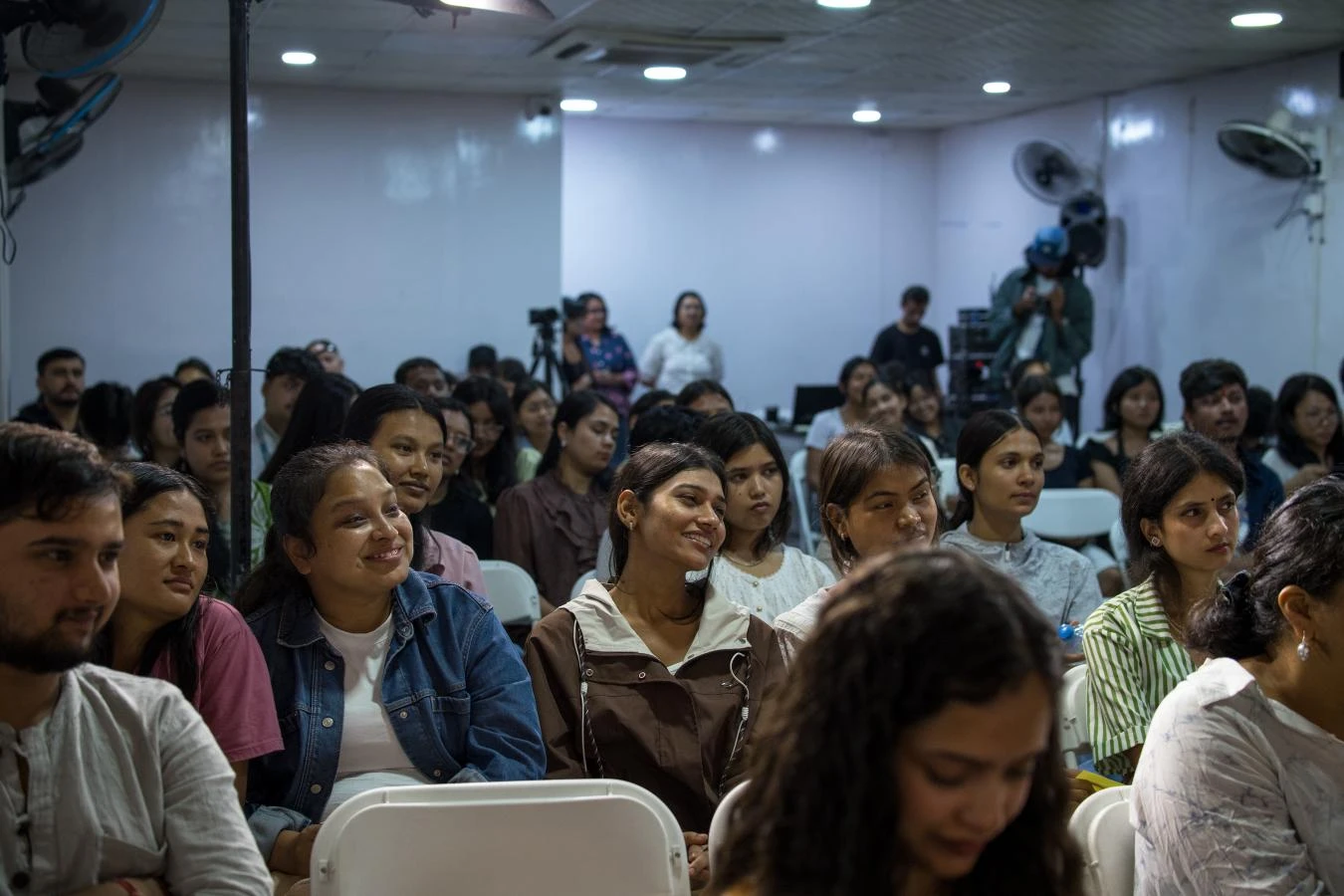
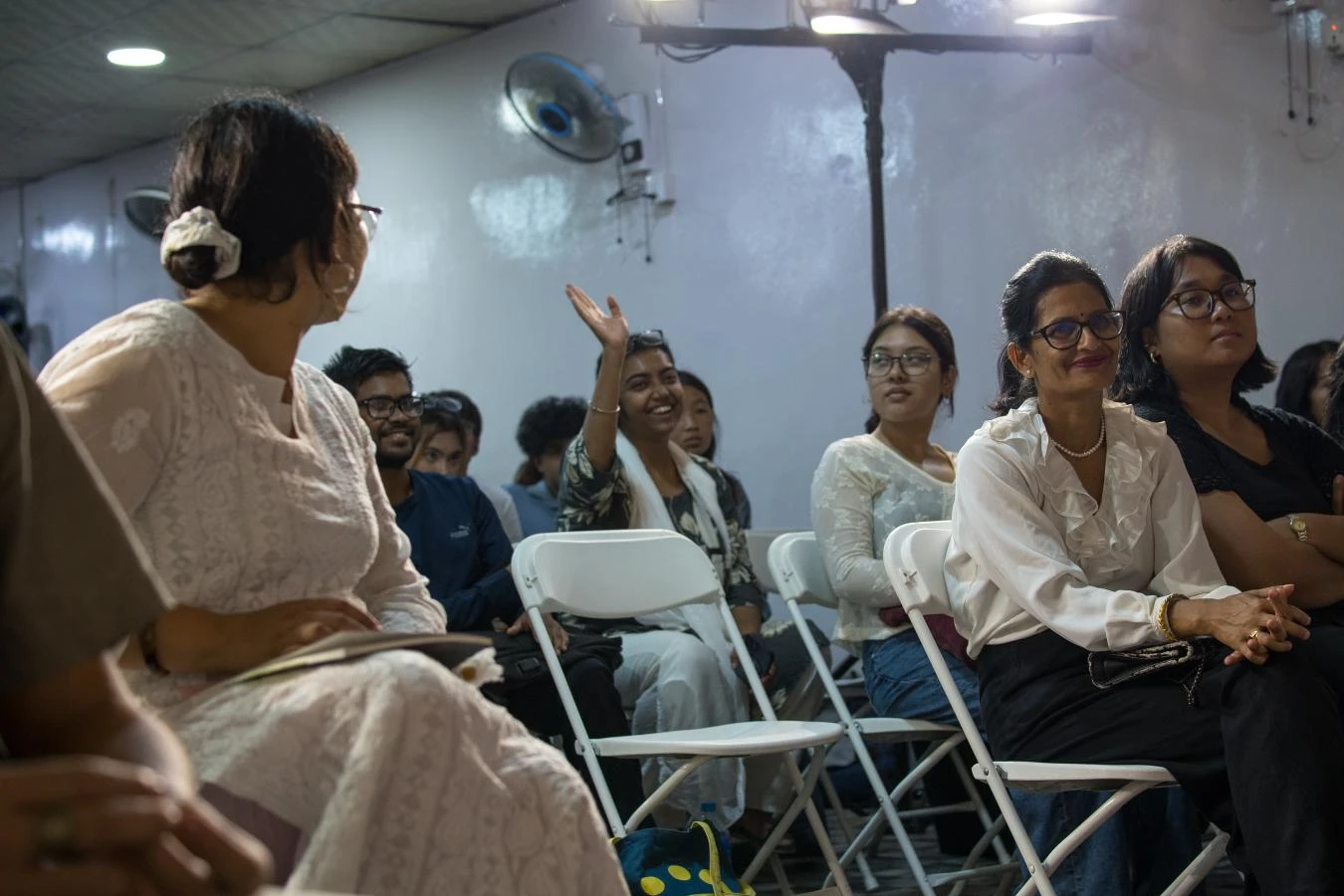
Following the theme, the first day of the symposium was dedicated to the artistic expression of compassion and hope. The event started with a recap of the presymposium event that set the stage for the symposium day. Fostering conversation, expressions of self and various activities and discussions rooted in engaging students in a wide discourse of topics especially relating to issues happening currently in the recent years.
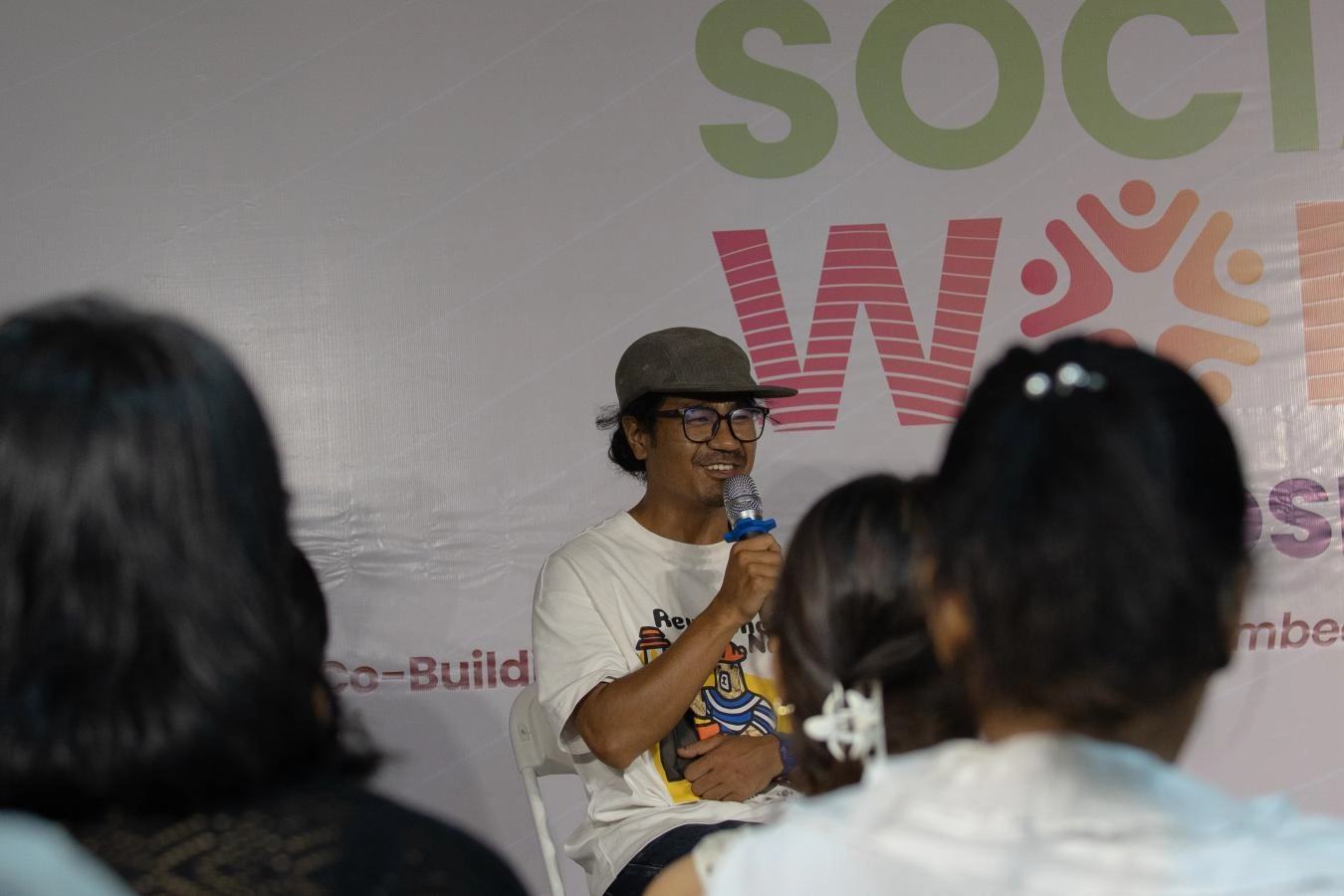
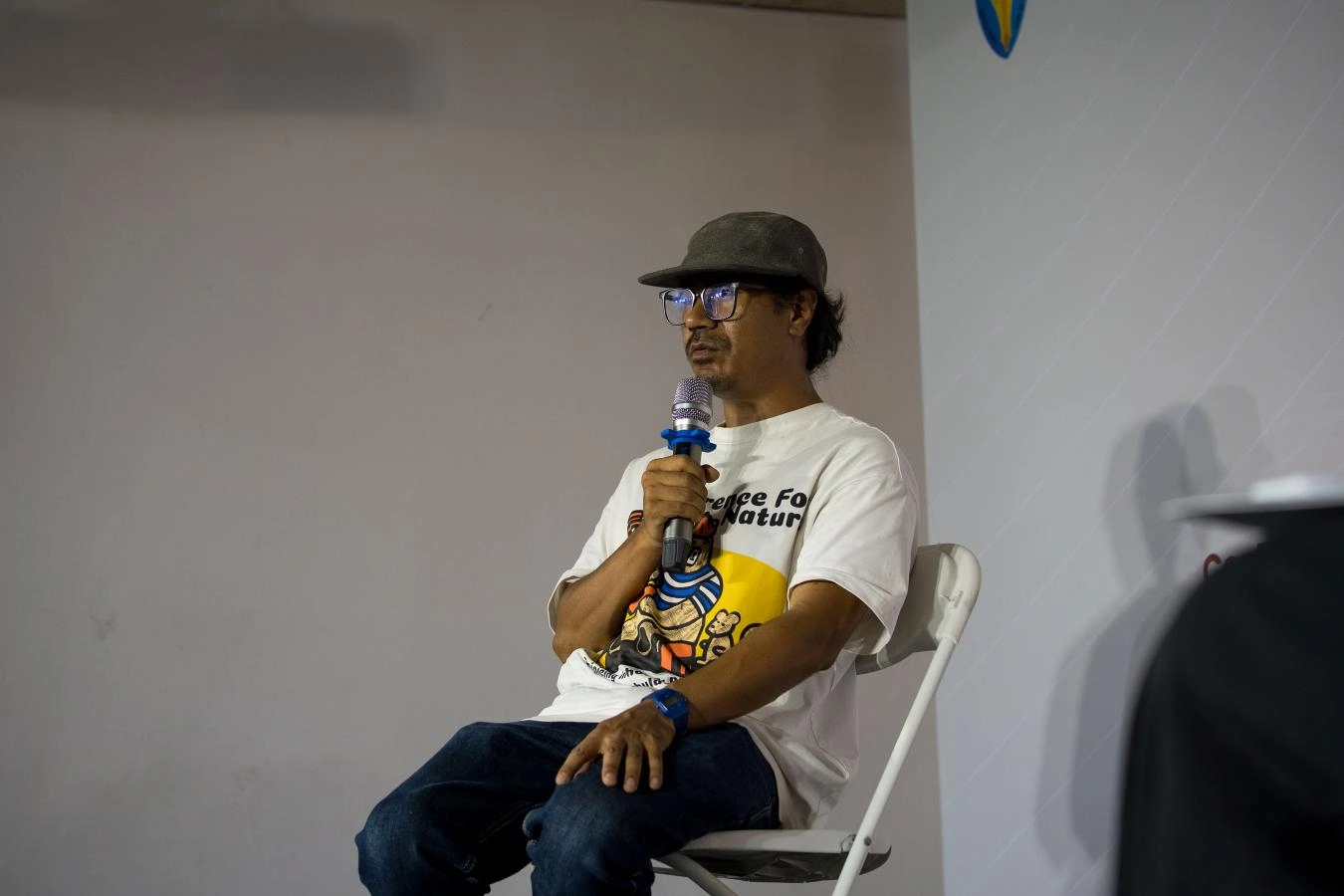
The first event was a documentary screening of “ Marsyandi Wile Ri’iba: May you live as long as the river”. The documentary screening followed a discussion and question answer round with one of the cinematographer, Mr. Manjit Lama. The participants engaged in conversation on the knowledge in the indigenous communities and the value of that knowledge in modern infrastructural development. The discussion led to the importance of indigenous knowledge and the dismissal of the knowledge by the state and the complete negligence to save these communities.
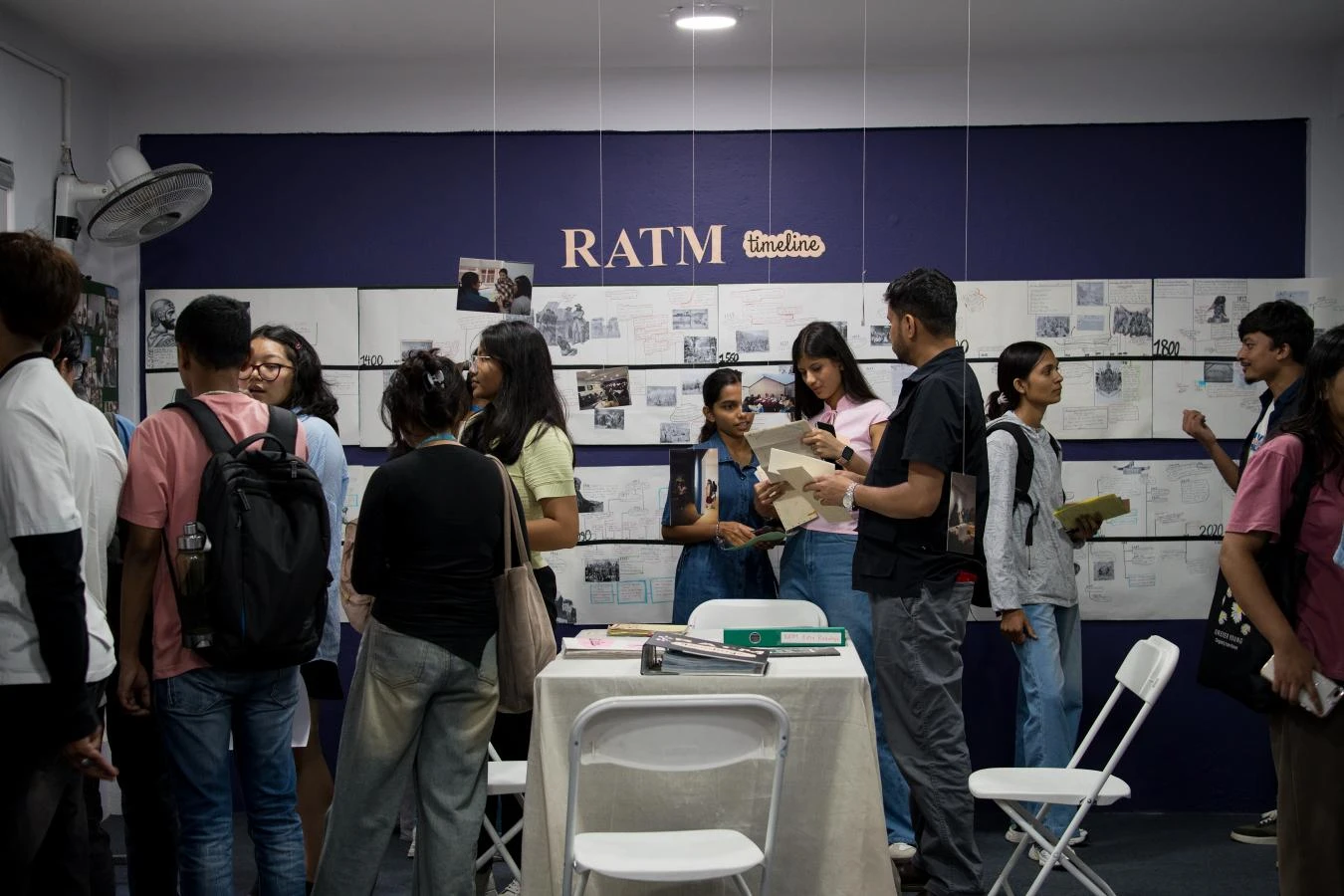
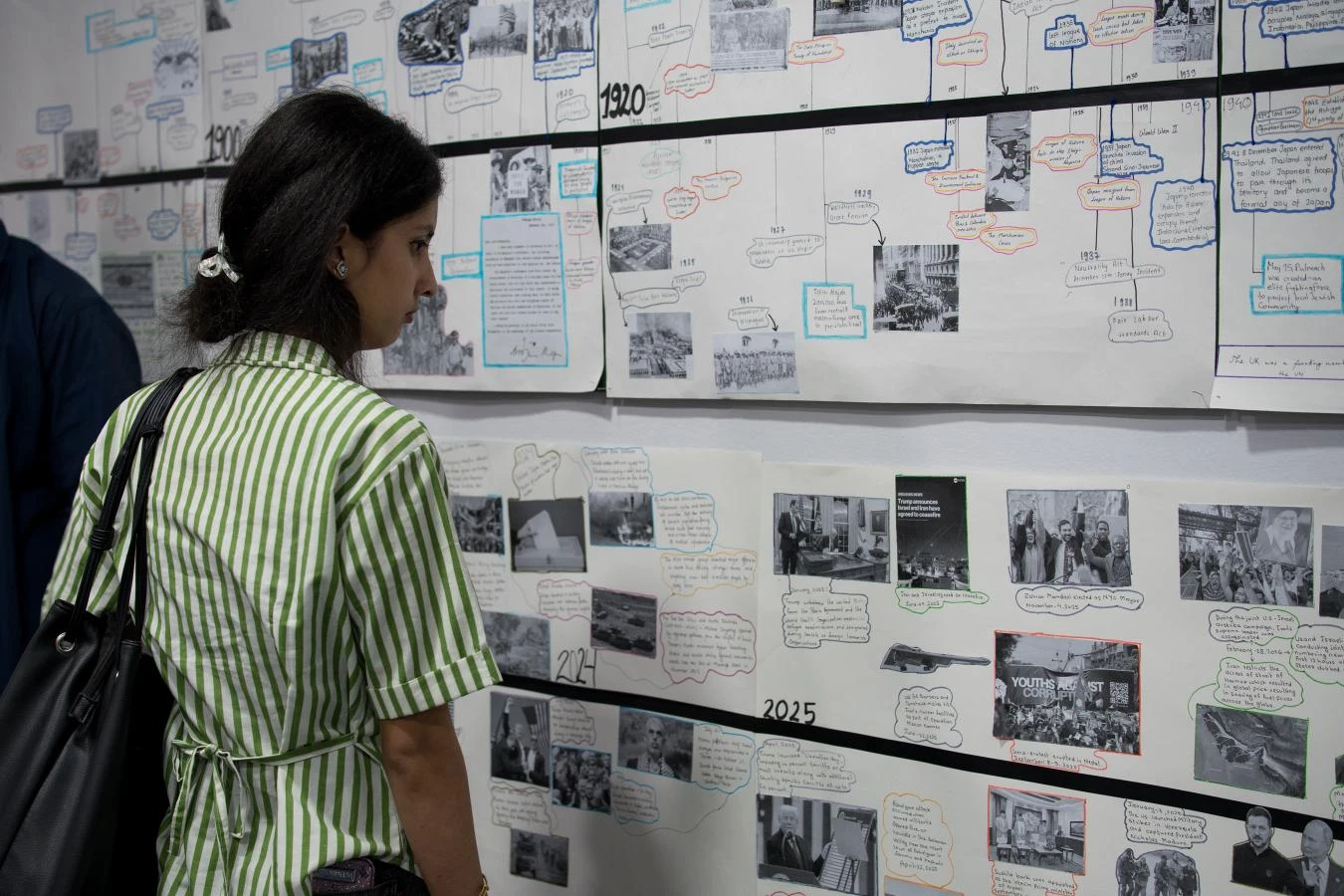
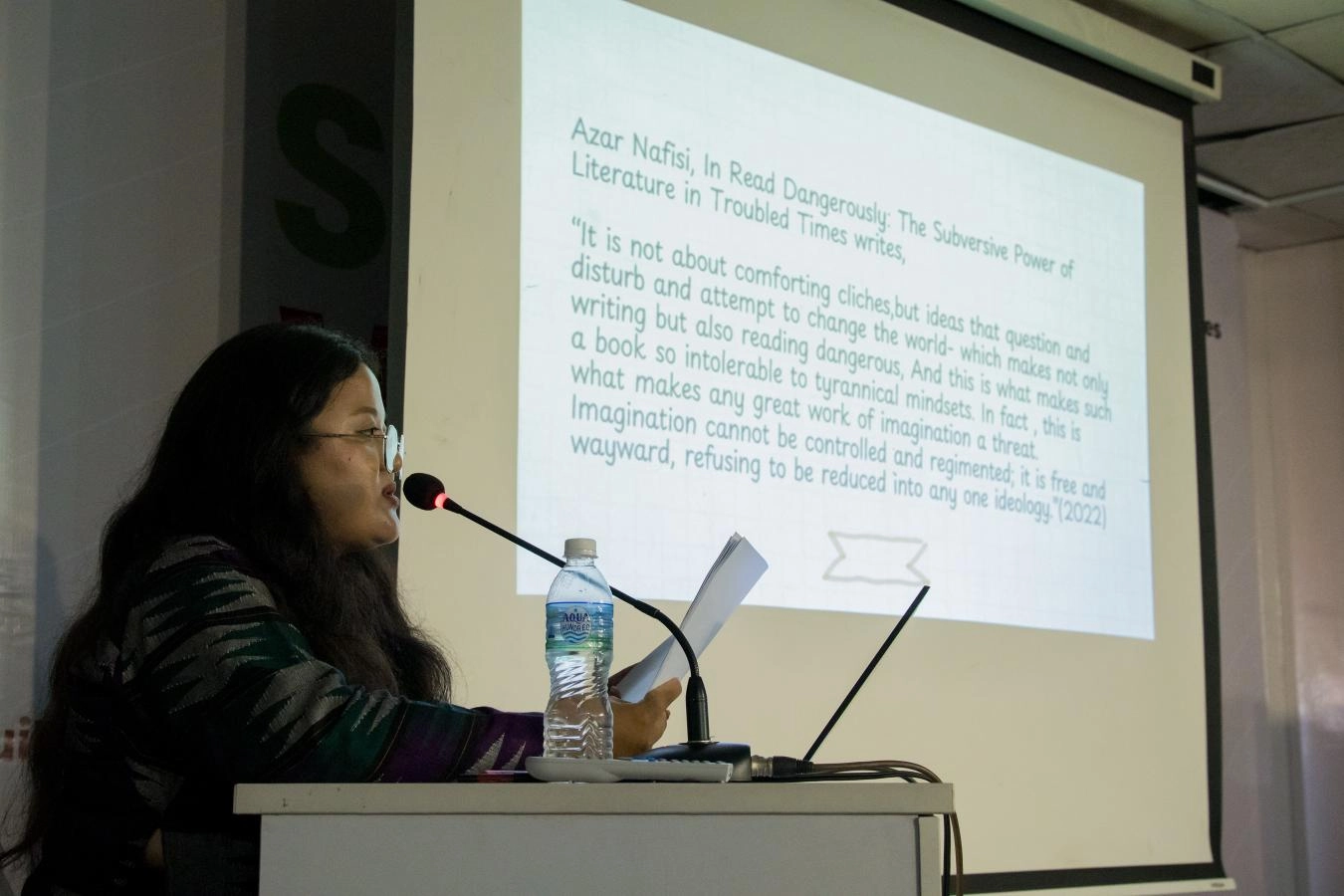
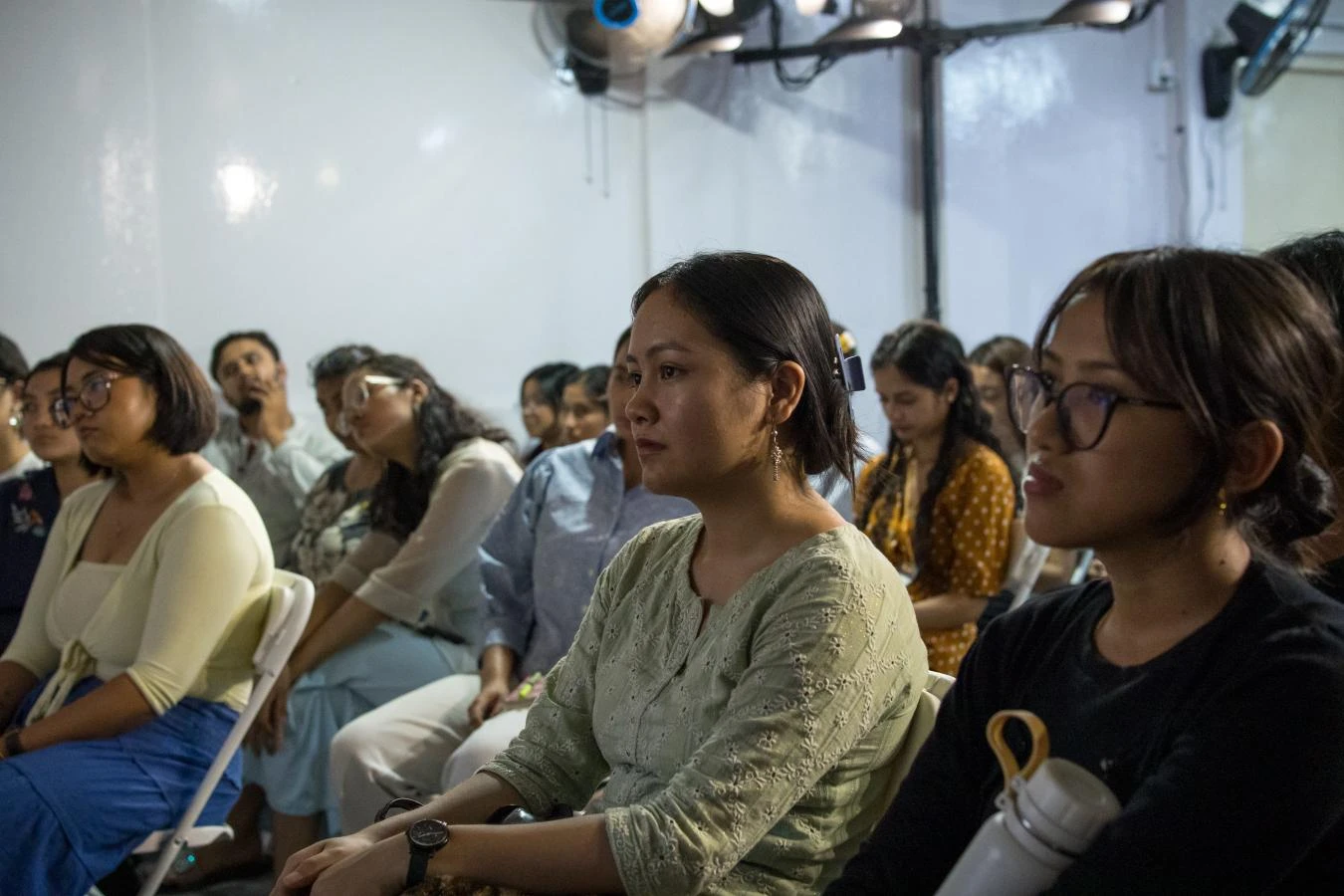
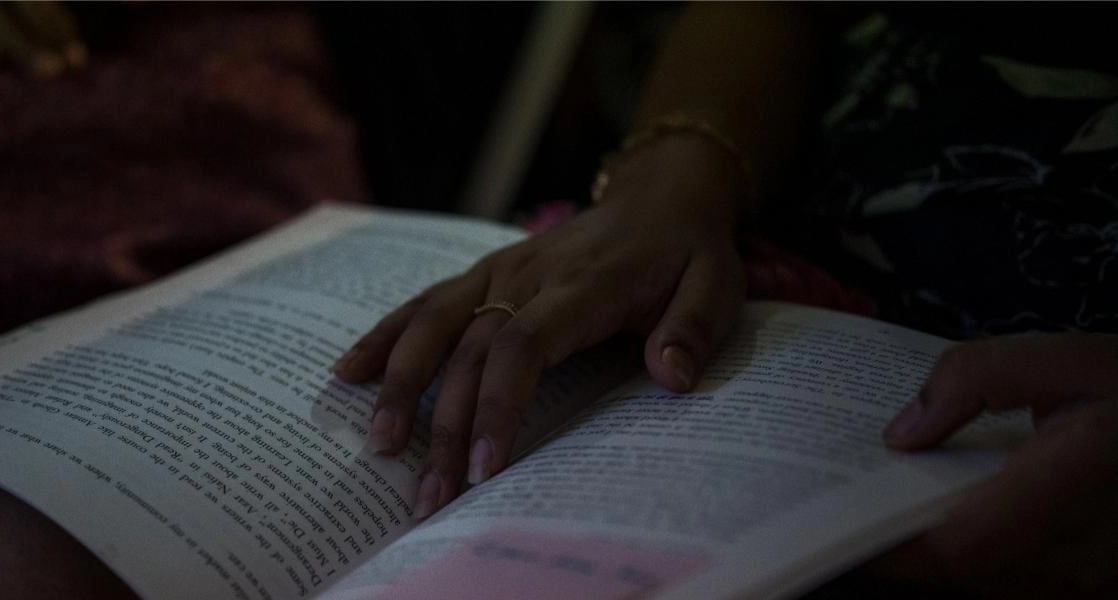
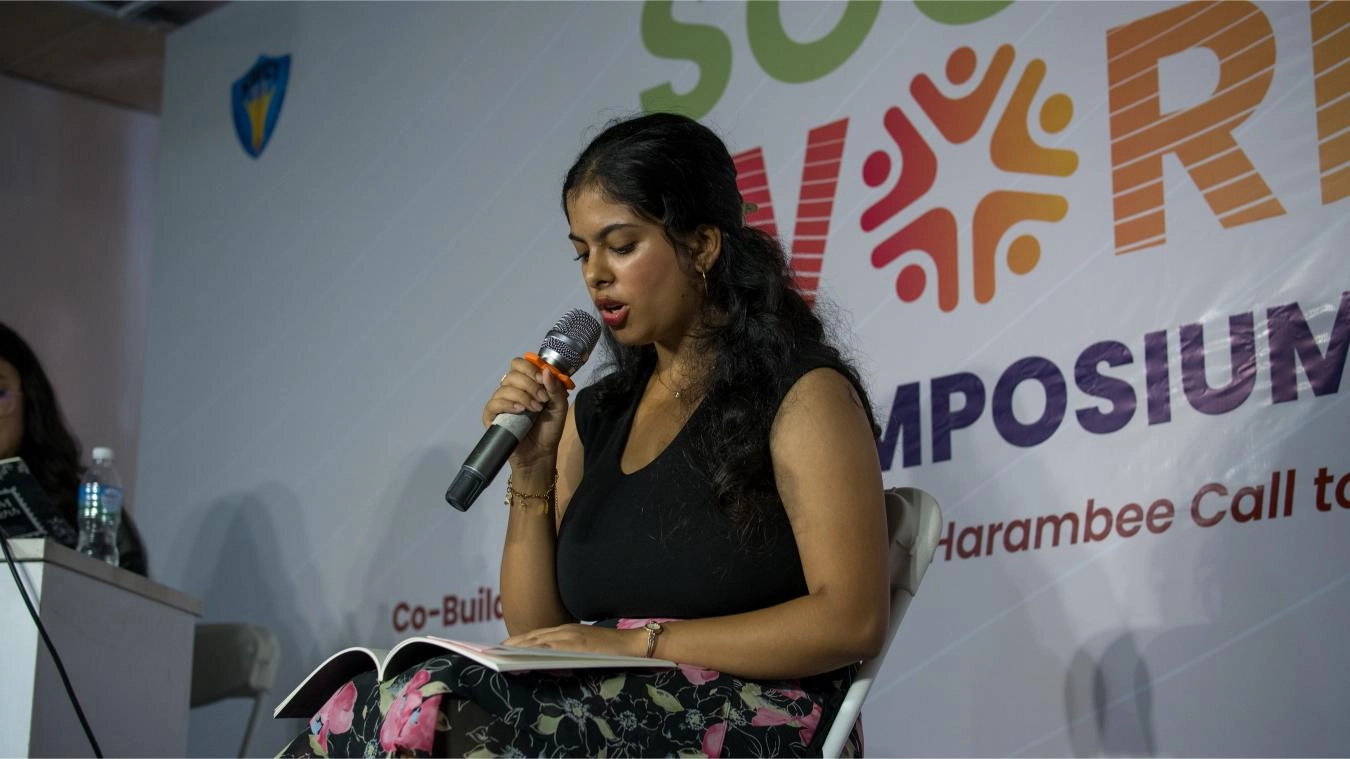
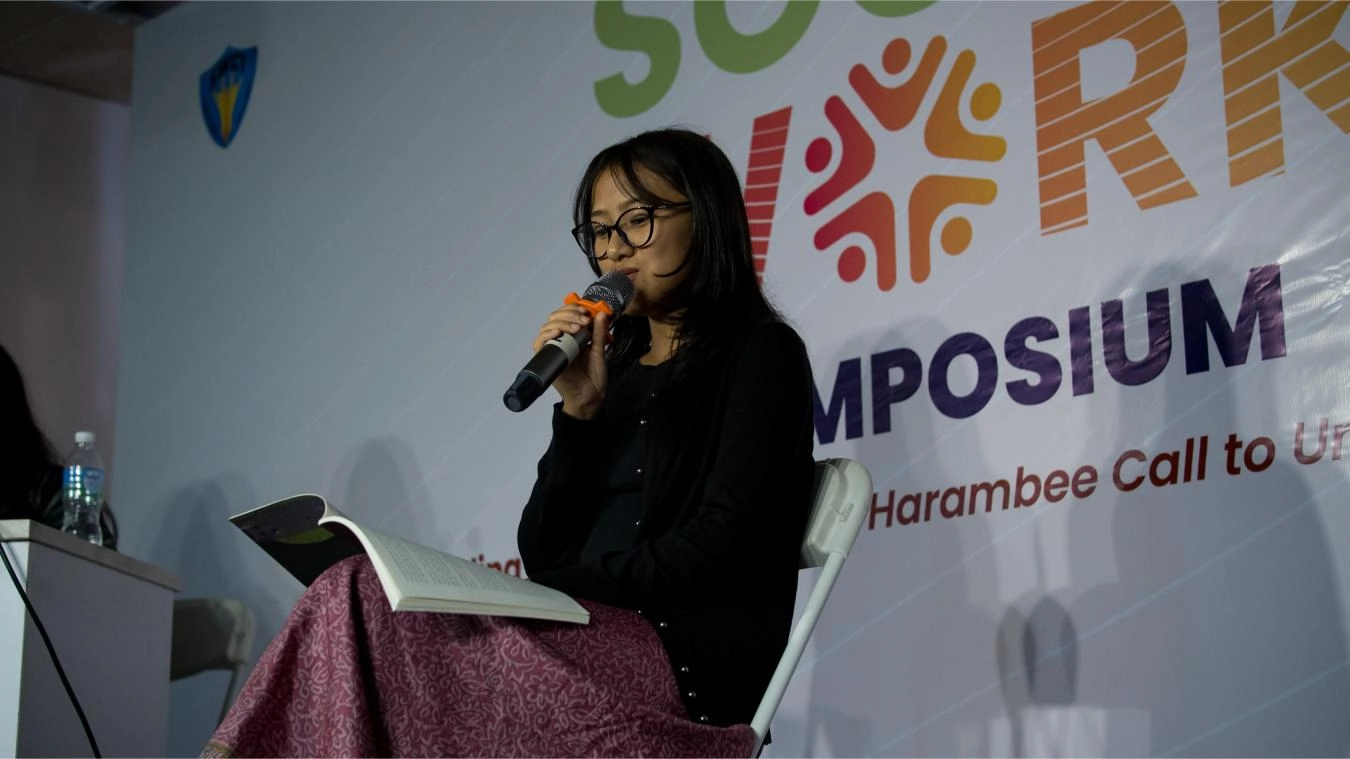
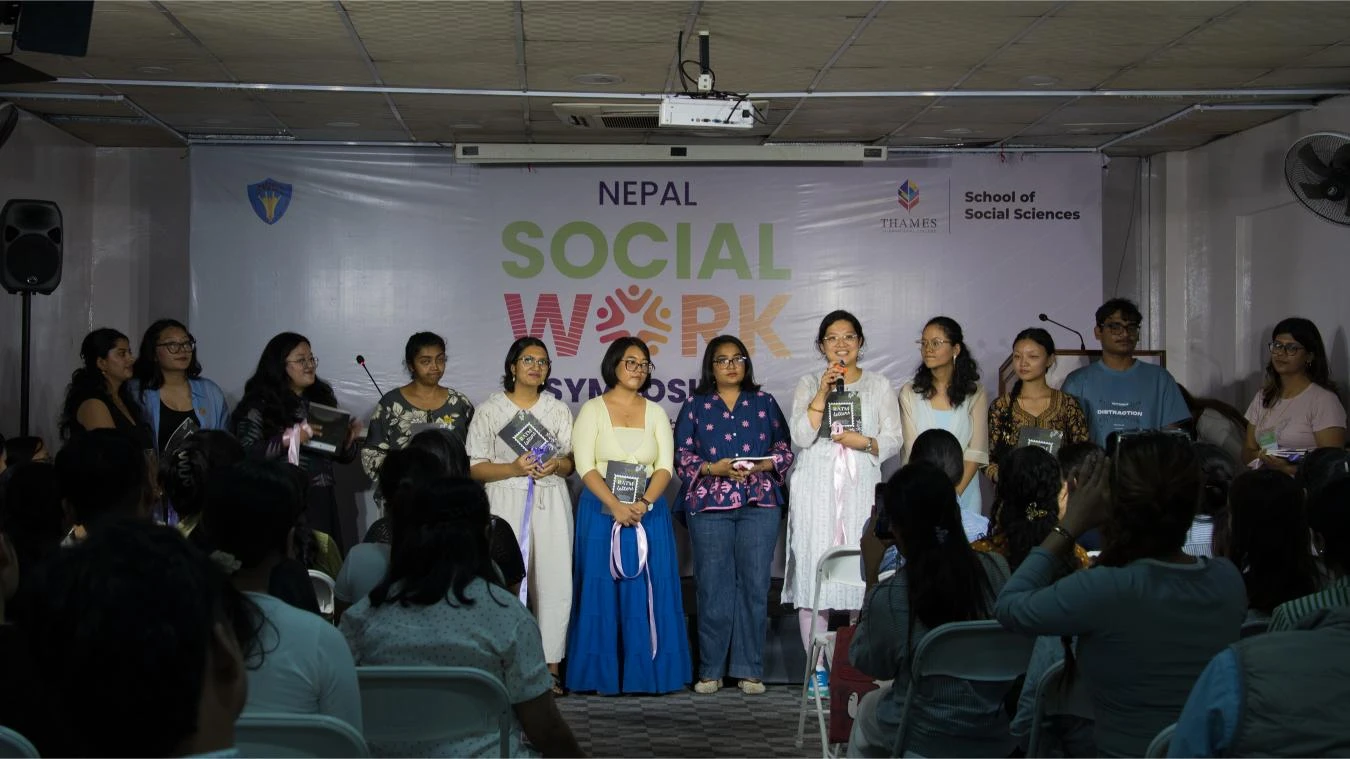
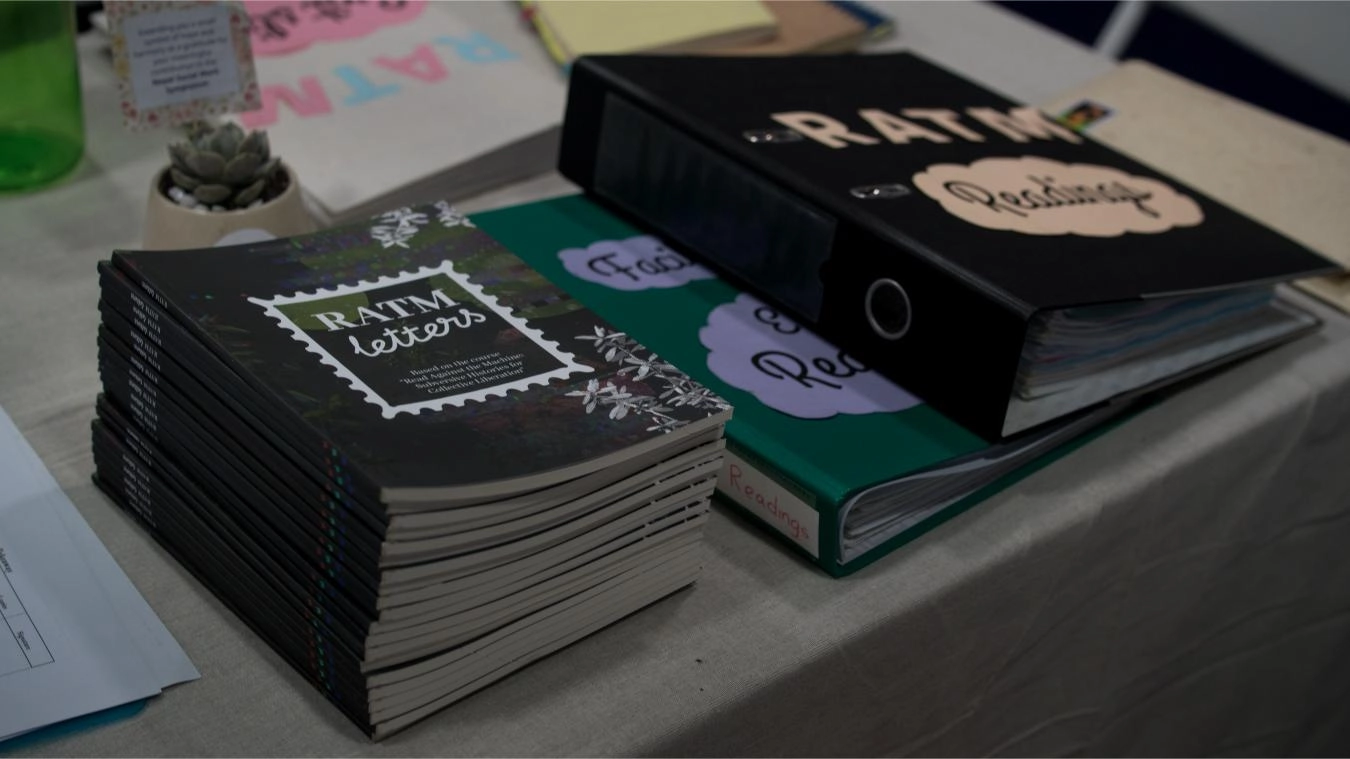
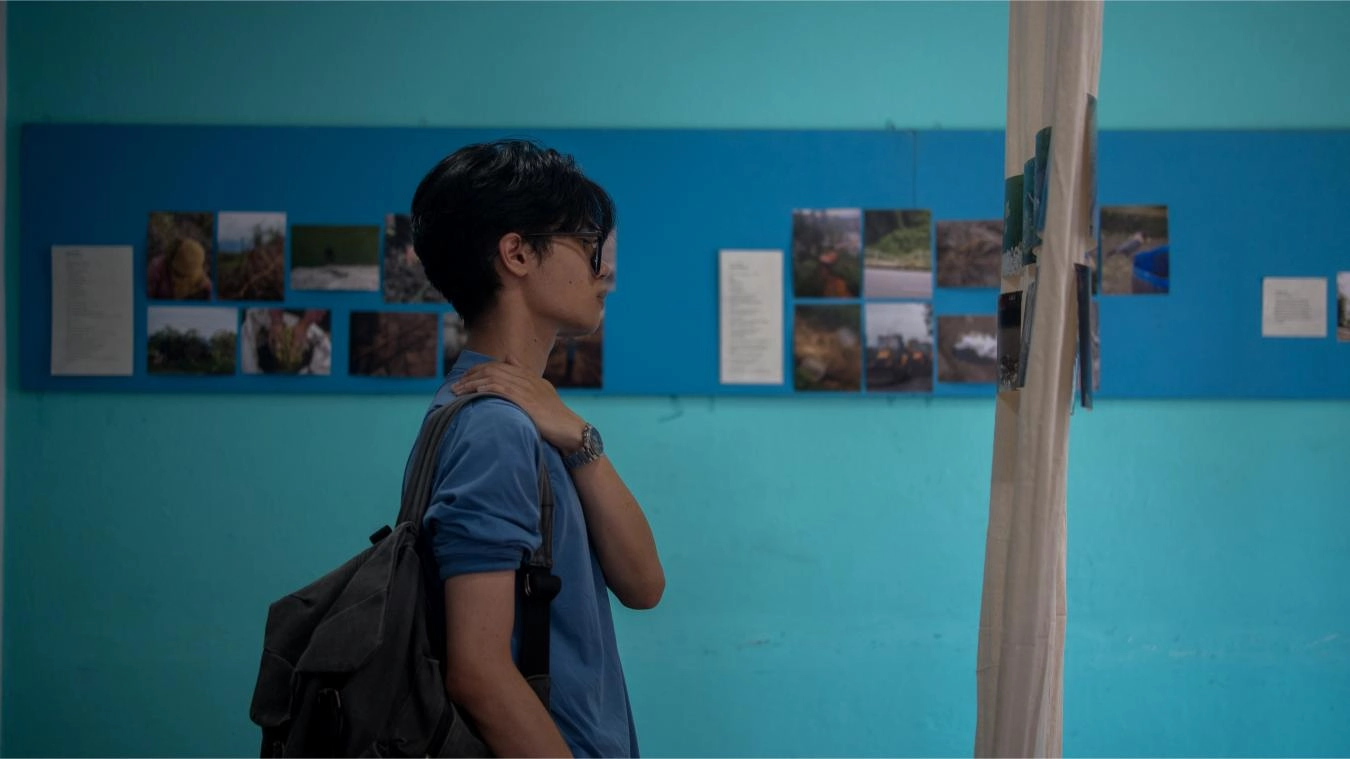
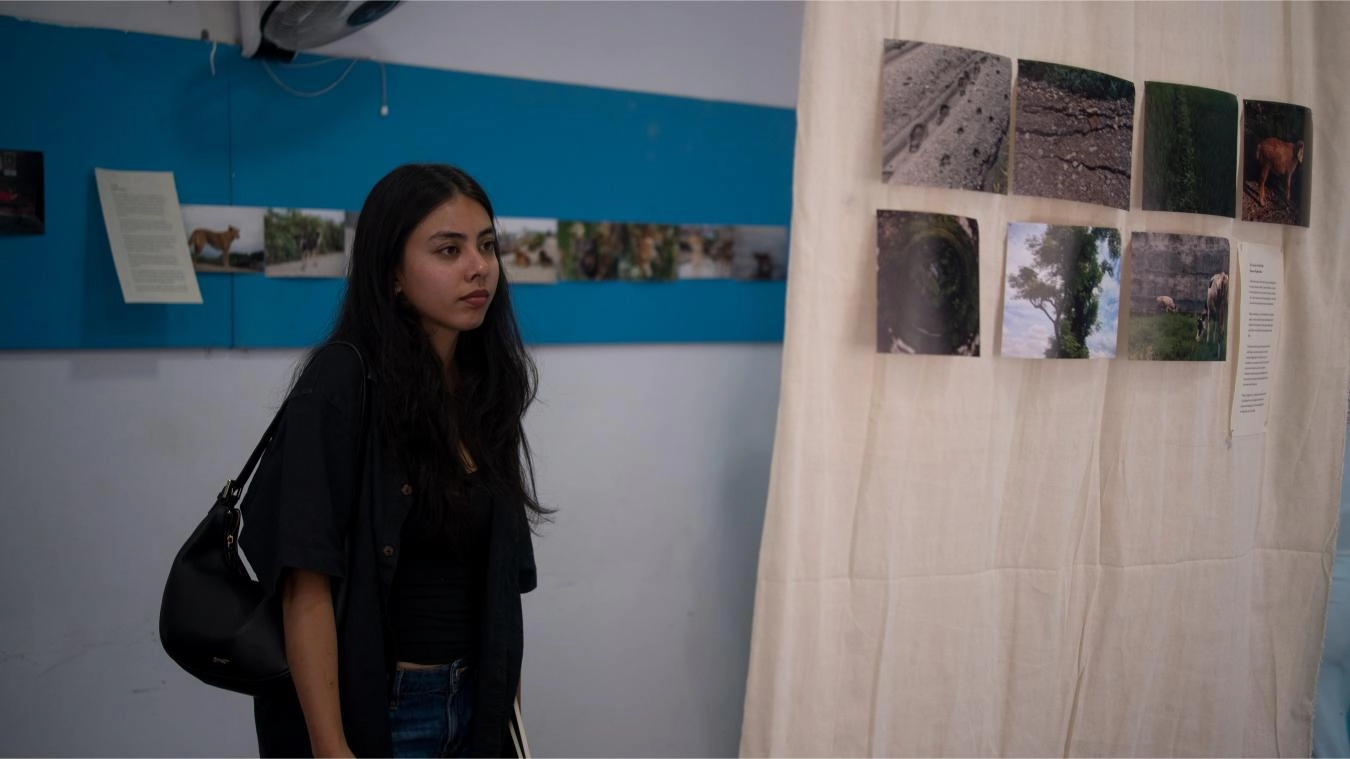
The second event was “Read Against the Machine: From Photo Exhibition to Classroom”, a talk by Thames alumnus and Graduate Assistant at Center for Teaching and Learning, Nunamphung Edingo. This talk was a synopsis of her experience of designing and conducting the course “Read Against the Machine: Subversive Histories for Collective Liberation”. In this talk, Ms. Nunamphung talked about reading as a way to create collective hope.The session ended with a chapbook which is a collection of letters that the participants of the course wrote to anyone in their life about their experience of the course. Some participants also shared bits of their letter which made the participants curious about what more the letters included.
The first day ended with an original devised play “Umoja Aasha” by the Thames Theatre Club of Thames International College. The play explored the need for hope in a world filled with disasters, wars and conflict. It also explored our relationship with nature, the contradiction between our belongingness to nature and the harm we cause upon it. The play brought together an audience who connected the idea of coming together to unite everyone through the characters of the play.
We care about your data in our privacy policy